Traditional Japanese House Dark Pattern: Strategic Use in Design and Branding
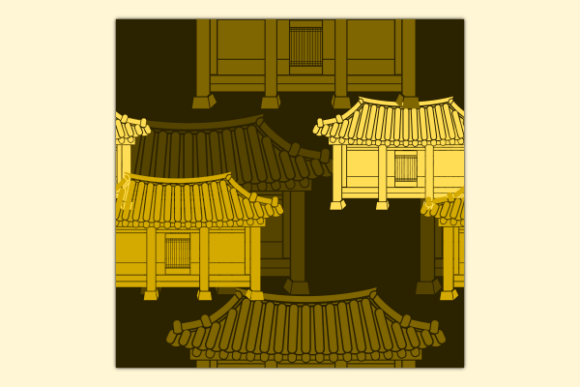
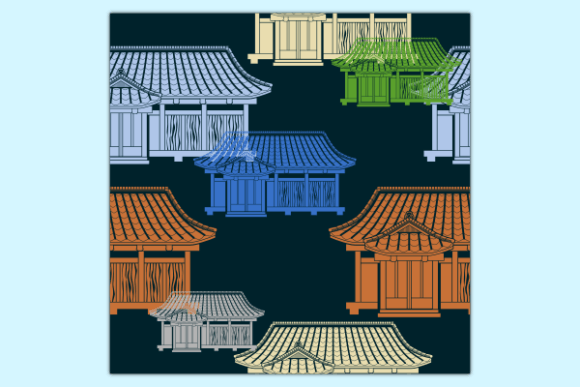
The Traditional Japanese House Dark Pattern is an editable SVG vector illustration that captures the essence of a classic Japanese home with a modern twist. It features a flat, monochrome front view of a traditional Japanese house, seamlessly repeated to form a pattern on a dark background. This design can be adapted into various colors while maintaining its aesthetic integrity, making it a versatile asset for creators, marketers, and educators seeking to incorporate cultural elements into their work.
Understanding the Traditional Japanese House Dark Pattern
This pattern is more than just a visual motif; it represents a blend of historical architecture and contemporary design needs. The traditional Japanese house is characterized by its low-slung eaves, wooden structure, and integration with nature—elements that are preserved in this digital format. By placing these illustrations on a dark background, the design exudes elegance and depth, ideal for backgrounds in textiles, stationery, or digital assets where subtlety and sophistication are key.
Cultural and Aesthetic Value
Rooted in centuries of tradition, the imagery of a Japanese house evokes themes of harmony, minimalism, and natural living. When used as a seamless pattern, it can subtly reinforce these values without overwhelming the viewer. Its dark base provides contrast and focus, allowing the intricate details of the house to stand out in a refined manner. For professionals working in tourism, education, or branding, this design offers a respectful nod to Japanese heritage while remaining adaptable for modern applications.
Strategic Applications Across Industries
When thoughtfully applied, the Traditional Japanese House Dark Pattern can support a range of strategic goals:
- Brand Identity: Incorporate the pattern into marketing materials or product packaging to create a distinct visual language aligned with authenticity and cultural appreciation.
- Event Design: Use it as a background for invitations, posters, or promotional content related to cultural events, travel experiences, or educational programs about Japan.
- Fabric and Merchandise: Print the pattern onto fabric or merchandise such as T-shirts, tote bags, or wall art to offer culturally resonant products to niche markets.
- Interior and Web Design: Apply it as a decorative element in both physical spaces and websites to add texture and meaning without sacrificing usability.
Planning Tips for Effective Use
To maximize the impact of this pattern, consider the following planning strategies:
- Define Your Purpose: Before using the pattern, clarify its role in your project. Is it meant to evoke nostalgia, support educational content, or enhance brand storytelling? A clear objective ensures appropriate application.
- Match Tone and Context: Ensure the pattern complements other design elements. The dark background works well with muted or bold colors but may clash with overly bright or busy layouts.
- Test Scalability: As a vector file, the pattern can scale without loss of quality. However, always test how it looks at different sizes and resolutions before finalizing its use in print or digital formats.
How to Approach the Pattern for Maximum Impact
Editing the SVG in Inkscape allows for precise customization. You can adjust colors, spacing, and alignment to fit specific branding guidelines or creative visions. Here’s how to approach its implementation effectively:
Customization and Flexibility
Because the pattern is provided in multiple formats—SVG, EPS, PDF, and high-resolution PNG—it can be easily integrated into diverse workflows. SVG is particularly useful for digital projects due to its scalability and editability. Whether you're designing a website, creating a brochure, or printing merchandise, the flexibility of this pattern ensures it meets your technical requirements without compromising artistic intent.
Realistic Use Cases
Consider these practical examples of how the Traditional Japanese House Dark Pattern can be deployed:
- Travel Agencies: Use the pattern in brochures or website banners to highlight travel packages focused on cultural immersion in Japan.
- Historical Museums: Apply it to signage, educational posters, or exhibition backdrops to create a cohesive theme that enhances visitor experience.
- Educational Institutions: Integrate the design into learning materials to teach students about architectural history or cultural traditions in an engaging way.
- Small Business Branding: Create branded merchandise like mugs, notebooks, or apparel that reflects a commitment to mindfulness and simplicity, core values often associated with Japanese culture.
Decision-Making Guidance for Creative Professionals
Choosing the right time and place to use this pattern requires thoughtful decision-making. Ask yourself these questions before incorporating it into your project:
- Does the pattern align with the message or tone I want to communicate?
- Will it complement my audience's expectations or cultural associations?
- Can I maintain consistency in color, style, and purpose across all design elements?
For example, if you’re launching a line of sustainable fashion inspired by Japanese aesthetics, using the Traditional Japanese House Dark Pattern could help establish a narrative of timeless design and environmental consciousness. But if the project lacks a clear connection to Japanese culture or design principles, the pattern might appear forced or irrelevant.
Long-Term Value and Reusability
One of the advantages of using an SVG-based pattern is its long-term value. Unlike raster images, which degrade when scaled, SVGs retain crisp edges and clarity at any size. This makes them ideal for ongoing projects such as email templates, app interfaces, or social media graphics that evolve over time. The included EPS and PDF files also allow for compatibility with professional design tools, ensuring that your creative team can work efficiently regardless of software preferences.
Risks of Using the Pattern Without Clear Goals
While the Traditional Japanese House Dark Pattern is visually appealing, using it randomly or without strategic context can lead to miscommunication or reduced effectiveness. Risks include:
- Distracting from Core Message: If the pattern becomes too prominent, it may overshadow important text or visuals, reducing readability and user engagement.
- Misrepresentation of Culture: Inappropriate use can risk trivializing or stereotyping Japanese architecture and culture, especially in sensitive or educational contexts.
- Inconsistent Branding: Applying the pattern inconsistently across platforms may confuse audiences and dilute your brand identity.
To avoid these pitfalls, always tie the pattern to a defined strategy. Consider how it supports your broader design goals and whether it adds meaningful context to your communication.
Intentional Use for Better Outcomes
Using the Traditional Japanese House Dark Pattern intentionally means understanding not only its visual appeal but also its symbolic weight. Think about how it can serve as a foundation for storytelling, whether through subtle background textures or bold foreground designs. For instance, a blog post on cultural preservation might use the pattern to frame quotes or infographics, enhancing the reader’s emotional connection to the subject matter.
Operational Integration and Workflow Efficiency
From an operational standpoint, the pattern streamlines design processes. Its seamless repetition reduces the need for complex tiling or image manipulation. Additionally, because it’s editable in Inkscape, you can quickly adapt it to meet new project requirements without needing to start from scratch. This efficiency is invaluable for freelancers and small businesses aiming to deliver high-quality visuals under tight deadlines.
Enhancing Customer Experience Through Visual Storytelling
Visual elements play a crucial role in shaping customer perception. When used in product packaging or event invitations, the Traditional Japanese House Dark Pattern can elevate the perceived value of the offering. Customers often associate attention to detail and cultural relevance with quality and authenticity. Thus, integrating this pattern can contribute to a stronger emotional response and greater satisfaction among users.
Practical Examples for Real-World Application
Here are some real-world scenarios where this pattern has proven valuable:
- Merchandise for Cultural Festivals: A boutique selling items for international festivals uses the pattern on reusable cloth bags to promote sustainability and cultural awareness simultaneously.
- Website Backgrounds for Travel Blogs: A travel blogger specializing in Japan applies the pattern as a subtle background to their homepage, reinforcing the theme without competing with content.
- Stationery for Academic Institutions: A university offering courses on East Asian studies prints the pattern on letterheads and certificates to reflect the program’s focus and prestige.
Tools and Techniques for Editing
Although the pattern is designed for ease of use, leveraging the right tools is essential. Inkscape is recommended due to its open-source nature and robust vector editing capabilities. Familiarize yourself with basic layer management and color adjustment techniques to ensure smooth customization. Also, take advantage of the high-resolution PNG for quick mockups or previews when working in environments that don’t support vector files.
Conclusion: Aligning Design with Strategy
The Traditional Japanese House Dark Pattern is a powerful tool when used with intention and clarity. It bridges the gap between cultural appreciation and functional design, supporting a wide array of creative and commercial applications. By aligning its use with strategic goals, designers and marketers can enhance outcomes in branding, communication, and customer engagement.
Remember, every design choice should serve a purpose. Whether you're crafting a memorable invitation or building a brand around mindful living, the thoughtful application of this pattern can make a lasting impression—and ultimately, drive better results.