Simple English House Dark Pattern: A Versatile Design Asset for Creative and Educational Projects
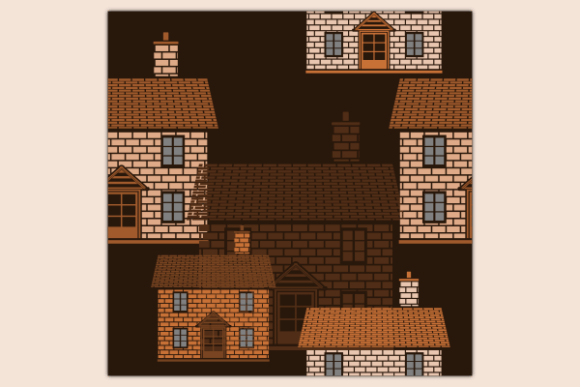
The Simple English House Dark Pattern is an editable SVG vector illustration that features a stylized rendering of a traditional English house. This design is rendered on a dark background, making it ideal for creating striking visual elements with high contrast. The pattern is repeatable, allowing it to function seamlessly as a background or decorative element in various applications.
Understanding the Design and Its Purpose
This pattern captures the essence of classic English architecture in a simplified form—think steep roofs, chimneys, windows, and wooden beams. It’s not just about aesthetics; it's about embedding cultural and historical relevance into your projects. Whether you're designing for tourism, education, or personal creative endeavors, this asset can serve as a subtle yet powerful nod to England’s architectural heritage.
Being in SVG format means the file is scalable without loss of quality, which is essential when using it across different platforms and sizes. Alongside the SVG, you receive EPS, PDF, and high-resolution PNG formats in a ZIP archive, ensuring compatibility with both digital and print workflows.
For Creators and Designers
Graphic designers and illustrators can use the Simple English House Dark Pattern as a base for more complex designs. For instance, when working on event invitations or branded merchandise like T-shirts and mugs, the pattern adds a touch of authenticity and charm. Its dark tone allows for easy customization with vibrant colors or text overlays.
Because the pattern is repeatable, it can be used to fill entire backgrounds without visible seams. Inkscape is recommended for editing due to its open-source nature and robust support for SVG files. With Inkscape, users can adjust colors, scale the design, or modify individual components to suit their project needs.
In Education and Cultural Promotion
Educators and content creators involved in teaching history or promoting English culture can incorporate this pattern into learning materials. It can serve as a visual aid in presentations, worksheets, or interactive timelines related to British architecture and lifestyle. The design’s simplicity makes it accessible for younger audiences while still being rich enough in detail for older students and adults.
Additionally, it works well in museum exhibits or travel guides focusing on historical sites. By using the pattern in posters, brochures, or even website headers, it helps establish a thematic consistency that enhances the user experience and reinforces the educational message.
For Entrepreneurs and Marketers
Small business owners and marketers can leverage the Simple English House Dark Pattern for branding purposes. If you’re launching a product line inspired by English traditions, such as tea accessories or homeware, this pattern could become a signature element of your packaging or promotional collateral.
Its adaptability also means it can be used in social media templates, email newsletters, or landing pages where a cohesive look is desired. Pairing the pattern with other assets—like vintage fonts or sepia-toned photographs—can create a nostalgic and authentic brand image.
Integrating the Pattern Into Your Workflow
To integrate the Simple English House Dark Pattern into your workflow, start by assessing how it fits within your overall design strategy. Here are some practical steps to consider:
- Extract the Files: Unzip the attached package to access SVG, EPS, PDF, and PNG formats. Each has its own strengths depending on your end goal.
- Edit with Inkscape: Open the SVG file in Inkscape to customize colors, add text, or make structural changes. Remember to save your work in a version-controlled folder if you plan to iterate on the design.
- Test Compatibility: If your project requires Adobe software, convert the SVG to EPS or PDF. For web-based uses, the PNG format ensures broad browser support and quick loading times.
- Apply in Context: Import the edited pattern into your design platform (such as Canva, Photoshop, or Figma) and test it against mockups or real-world examples. Adjust spacing, opacity, or layering to achieve the best result.
Workflow Examples
- Fabric Printing: Use the pattern as a repeating texture in textile design software. Ensure the resolution is appropriate for printing and test color fastness on fabric swatches before full production.
- Merchandise Packaging: Apply the pattern to product boxes or labels. Combine it with minimalistic typography to highlight key selling points without overwhelming the viewer.
- Travel Brochures: Incorporate the pattern as a background for sections detailing historical villages or countryside estates. Keep the foreground text legible by using contrasting fonts and placement techniques.
Best Practices for Usability and Long-Term Value
When using the Simple English House Dark Pattern, it’s important to maintain clarity and usability. Since it's a detailed illustration, overuse can lead to visual clutter. Here are some tips to ensure effective implementation:
- Balance and Contrast: The dark background provides excellent contrast, but avoid placing low-contrast text or images over it unless you want a subdued effect.
- Consistency Across Assets: If you plan to use the pattern in multiple designs, maintain consistent styling (e.g., same color palette or text treatment) to reinforce brand identity or thematic unity.
- Quality Control: Always check the final output at the intended size and medium. Vector files should be exported at the correct resolution and format for each specific use case.
Organizing your design files properly is crucial for long-term use. Create dedicated folders for original, edited, and export versions of the pattern. Name files clearly so they can be easily retrieved later—especially if you're working with a team or managing multiple projects simultaneously.
Combining with Other Tools and Resources
While the pattern itself is a standalone asset, it can be enhanced by integrating it with other tools and resources. For example:
- Design Platforms: Use Inkscape alongside tools like GIMP or Krita for post-editing effects or raster outputs.
- Project Management: If you're working on a large-scale project involving several stakeholders, use tools like Notion or Trello to document design choices and track revisions.
- Historical References: When creating educational content, pair the pattern with authoritative sources or historical data to add depth and credibility to your material.
Collaboration becomes easier when everyone understands the purpose and limitations of the asset. Sharing clear documentation about the pattern’s origin, suggested use cases, and technical specifications can streamline communication and reduce errors during production phases.
Practical Observations and Tips
One common mistake is underestimating the importance of the pattern’s scale. Because it’s meant to repeat seamlessly, the design must be carefully aligned so that edges meet correctly. Inkscape offers snapping tools and grid settings that can help ensure precision.
Another consideration is the emotional impact of the pattern. The traditional English house evokes a sense of nostalgia, warmth, and heritage. Use this to your advantage by pairing it with imagery or language that supports these themes.
Finally, keep an eye on licensing if you plan to sell products featuring the pattern. While many free patterns are available online, always verify usage rights to avoid legal issues down the line. The included file types give flexibility, but understanding how each format interacts with your target platform is key to success.
Conclusion
The Simple English House Dark Pattern is a valuable resource for anyone looking to incorporate a touch of traditional English charm into their work. From fabrics and cards to educational materials and marketing campaigns, its versatility makes it suitable for a wide range of applications. By understanding how to edit, apply, and integrate it effectively, you can enhance your projects with a visually appealing and culturally resonant design element.
Whether you're a professional designer or a hobbyist exploring new creative avenues, this pattern can help you bring ideas to life with clarity and style. Use it wisely, and let it contribute meaningfully to your next endeavor.