Wine Clipart: Enhancing Creativity in Design and Printing Projects
Whether you're a professional designer, an entrepreneur launching a new product line, or a hobbyist looking to elevate your personal projects, Wine Clipart can be a valuable asset. These illustrations, often featuring elegant wine bottles, glasses, corks, and vineyard scenes, are not just decorative elements—they serve as functional components that add visual interest and thematic relevance to a wide range of creative applications.
What Is Wine Clipart?
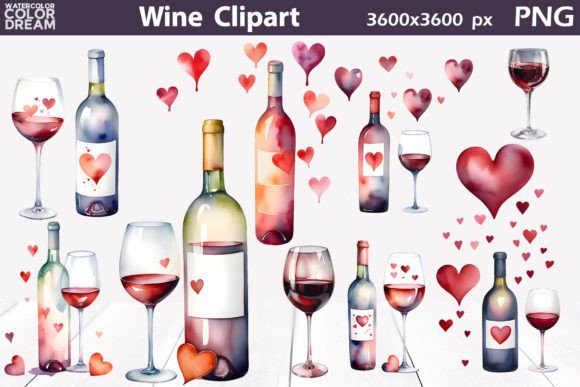
Wine clipart refers to digital illustrations related to the theme of wine. These can include anything from minimalist bottle silhouettes to detailed watercolor depictions of grapes and vines. A high-quality collection typically features PNG files with transparent backgrounds at 300 dpi resolution, ensuring they are crisp and adaptable for both print and digital use.
Such assets are especially useful when designing materials where the wine motif plays a central role—think of event invitations, packaging for wine-related products, educational content on viticulture, or even lifestyle blogs focused on wine appreciation. With a transparent background, these images blend seamlessly into any design layout without requiring extra editing.
Where Does Wine Clipart Fit Into the Design Process?
Incorporating Wine Clipart into your workflow is more than just placing an image in a design. It's about understanding how these visuals can support your overall project goals and enhance user experience. Here’s how it fits into different stages:
- Pre-Design Phase: Use wine clipart to brainstorm themes and color schemes. The imagery can help set the tone for your entire design concept.
- Active Design Phase: Insert the clipart into your layout using graphic design software like Adobe Photoshop, Illustrator, or Canva. Its transparency makes it easy to layer over other design elements.
- Post-Design Phase: Evaluate how the clipart contributes to the final output. Does it draw attention? Does it align with the message? Adjust its placement or scale accordingly.
Use Cases for Wine Clipart
The versatility of Wine Clipart means it can be applied across multiple industries and hobbies. Below are some common use cases where these illustrations prove particularly effective:
1. Scrapbooking and Personalized Stationery
Scrapbook enthusiasts often seek unique ways to highlight special memories. Wine-themed clipart offers a refined touch for events such as anniversaries, weddings, or themed parties. When used in printable stickers or decorative footprints, these images can become focal points or subtle accents depending on the desired effect.
2. Sublimation Printing
If you're involved in sublimation printing, whether for tumblers, mugs, or apparel, including Wine Clipart Watercolor designs can make your products stand out. The soft, artistic quality of watercolor illustrations complements the smooth finishes typical of sublimated items. Ensure the clipart is properly aligned and scaled within your design software before transferring it onto fabric or ceramic surfaces.
3. Packaging and Branding
For small businesses selling wine accessories, bottled beverages, or gourmet food products, using wine clipart in packaging design helps establish brand identity. The clipart can appear on labels, boxes, or promotional materials, reinforcing the product’s aesthetic and appeal. Pair it with complementary fonts and colors to maintain visual harmony.
4. Blog and Website Design
Blogs and websites focused on wine culture, culinary arts, or lifestyle content benefit from the inclusion of relevant graphics. Using Wine Clipart as headers, sidebars, or blog post thumbnails can improve engagement and guide readers through content visually. Make sure the clipart is optimized for web use to avoid slow load times.
5. Postcards and Greeting Cards
Printable greeting cards for birthdays, holidays, or thank-you notes gain elegance when enhanced with wine-themed clipart. Whether you’re creating a vintage-style card or something modern and minimal, the right illustration can evoke emotion and sophistication. Consider using layered clipart to create depth or combine it with handwritten text for a personal touch.
6. Fabric and Textile Design
Textile artists and DIY crafters frequently use clipart to experiment with patterns. Wine clipart works well in table linens, curtains, or custom clothing prints. Because of their high resolution (300 dpi), these images retain clarity when printed on fabric, allowing for intricate details to shine through.
How to Integrate Wine Clipart into Your Workflow
Successfully integrating Wine Clipart requires thoughtful planning and execution. Here are practical tips to help you use it efficiently:
- Choose the Right File Format: PNG files with transparent backgrounds are ideal for most design platforms. They allow you to place the clipart over any color or texture without worrying about unwanted backgrounds.
- Organize Your Assets: Store your Wine Clipart in clearly labeled folders. Categorizing them by style (e.g., watercolor, line art) or subject (glasses, bottles, vineyards) saves time during the design process.
- Test Compatibility: Before committing to a large project, test the clipart in your preferred design tool. Check how it scales and layers with other elements to ensure there are no unexpected issues.
- Maintain Visual Consistency: If you're using multiple pieces of clipart in one design, ensure they share a similar style and color palette. This helps maintain a cohesive look and prevents visual clutter.
- Optimize for Output: Depending on your end goal, adjust the resolution and file format. For printables, stick with PNGs at 300 dpi. For digital use, consider converting to JPEG or SVG if appropriate.
Practical Examples of Wine Clipart Implementation
To illustrate how Wine Clipart can fit into real-world projects, let’s walk through a few scenarios:
Example 1: Event Invitation Design
You're tasked with designing a wine-tasting event invitation. Start by selecting a few key elements from the clipart collection—perhaps a wine glass and a grapevine. Place the wine glass subtly at the bottom corner to suggest elegance. Overlay the grapevine pattern behind the event title to create a natural flow. Add text in a serif font for a classic feel and finalize the layout in a design tool like Inkscape or Adobe InDesign.
Example 2: Product Packaging for a Winery
A local winery wants to launch a new line of gift bottles. You decide to use the Watercolor Wine Clipart as part of the label design. Import the selected image into your design software, resize it so it wraps neatly around the bottle shape, and balance it with the product name and logo. Test the layout in mockups to see how it looks in person before sending it off for printing.
Example 3: Educational Content Creation
You're developing a presentation on the history of wine-making. Incorporate clipart to break up dense text and provide visual cues. Use a bottle silhouette in the background of each slide to unify the presentation. On one slide, place a watercolor vineyard scene to represent the agricultural aspect of the topic. Ensure all images are correctly sized and don’t overshadow the information being presented.
Factors to Consider When Using Wine Clipart
While the benefits of using Wine Clipart are clear, there are several factors to keep in mind to maximize its effectiveness:
- Quality Control: Always verify that the clipart remains sharp and clean after scaling. Low-resolution images may lose detail when enlarged for print or display.
- Color Matching: Many clipart sets offer multiple color variations. Select ones that match your existing design scheme to avoid jarring contrasts.
- Usability Across Platforms: If you plan to use the same design for both online and offline purposes, ensure the clipart looks good in both formats. Sometimes, simplifying the artwork for digital screens can improve readability.
- Long-Term Relevance: Choose clipart that won't date quickly. Classic wine motifs tend to have broader appeal and longevity compared to overly trendy designs.
Efficiency and Organization Tips
When working with multiple clipart files, organization becomes key. Here’s how to streamline your process:
- Create a naming convention for your files, such as “wine_glass_watercolor_01” or “bottle_outline_02,” to easily identify each piece.
- Group related clipart together in your design project for quick access and consistent application.
- Save reusable layouts or templates that incorporate the clipart for future projects, reducing the need to start from scratch each time.
- Keep a backup copy of the original files in case you need to edit or re-use them later.
Conclusion
Wine Clipart is more than just an image—it's a strategic design element that can enhance your work in countless ways. From adding subtle charm to stationery to making bold statements in branding, these illustrations bring a level of sophistication and thematic coherence that is hard to replicate with generic stock photos. By understanding how to select, organize, and implement these assets effectively, you can significantly improve the visual appeal and professionalism of your creations.
As always, the best results come from thoughtful integration rather than random placement. Let the clipart support your message, complement your style, and contribute to the overall efficiency of your design process. Thank you for visiting my shop—you’ll find a curated selection of Wine Clipart ready to inspire your next project.