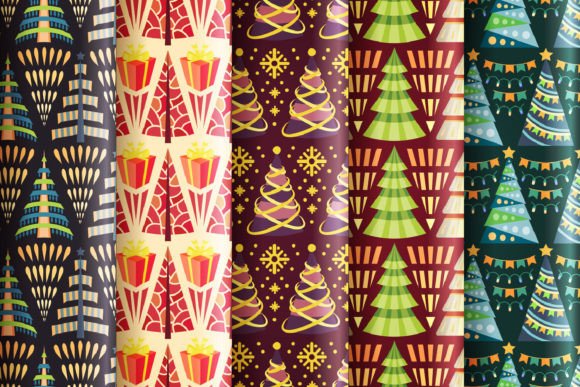
Christmas Tree Patterns: A Versatile Design for Creative Projects
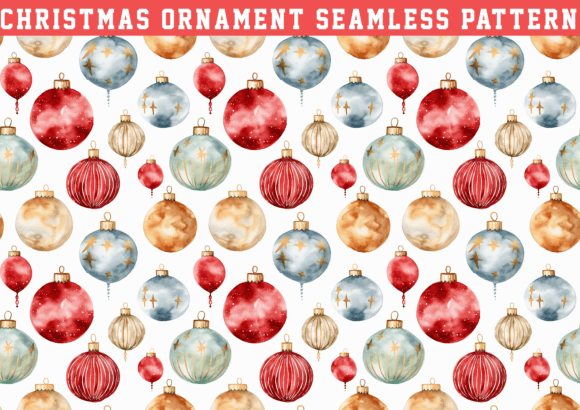
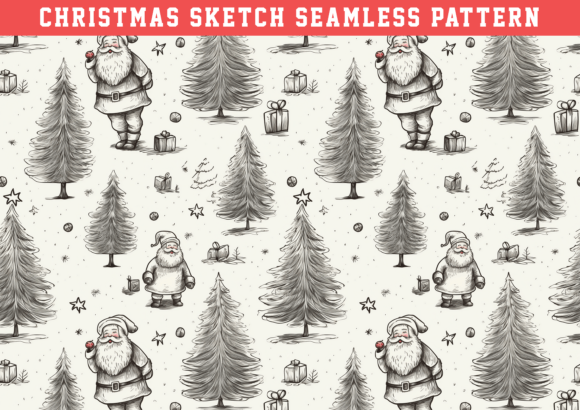
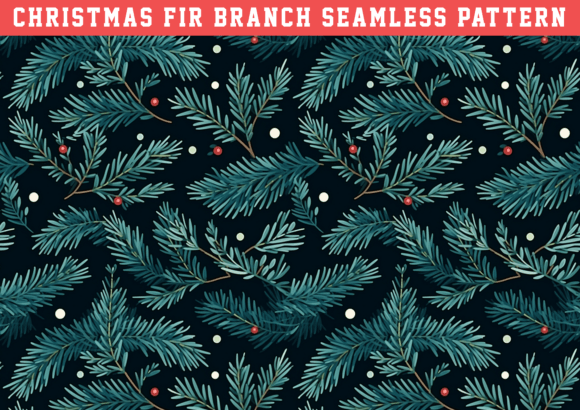
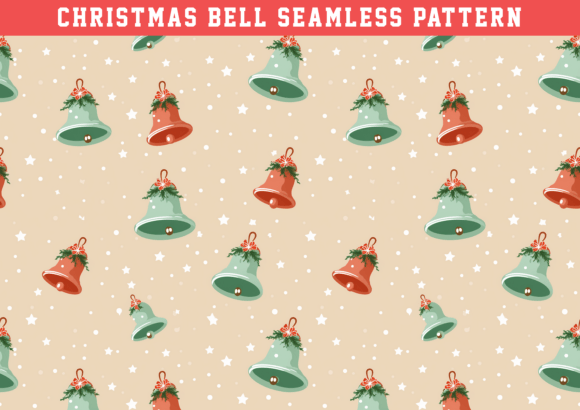
Christmas tree patterns have become a popular choice for designers, artists, and crafters looking to add a festive touch to their work. These patterns typically feature stylized, decorative Christmas trees arranged in an endless repeating format. They are ideal for a wide range of applications, from fabric swatches and wrapping papers to digital designs and party decorations. The seamless nature of these patterns ensures they can be used across different surfaces without visible seams or gaps.
The availability of high-resolution files in formats such as JPG, AI, and EPS makes these patterns suitable for both digital and print use. Whether you're creating a greeting card, a website design, or a handmade gift, these patterns offer flexibility and quality that meet professional standards.
Why Consider Christmas Tree Patterns?
For individuals and businesses involved in creative or commercial projects, Christmas tree patterns provide a convenient way to incorporate holiday themes into their work. These patterns are especially useful during the holiday season, when demand for festive designs increases. They allow users to quickly access ready-made designs that can be customized or used as-is, saving time and effort compared to creating original artwork from scratch.
Designers who specialize in textiles, stationery, or packaging may find these patterns particularly valuable. They can be adapted for use on fabrics, paper products, and digital media, making them a versatile tool for a variety of industries. Additionally, the colorful and decorative nature of these patterns helps create visually appealing designs that resonate with audiences during the New Year and Christmas events.
Benefits and Considerations
One of the main advantages of using Christmas tree patterns is their ease of use. With pre-designed, seamless layouts, users can integrate these elements into their projects without requiring advanced graphic design skills. This makes them accessible to both professionals and hobbyists alike.
Another benefit is the wide range of applications. These patterns can be used for fabric swatches, wrapping papers, and even children's crafts. Their versatility allows them to be adapted for different purposes, from commercial use to personal projects. For example, a designer might use them for a holiday-themed website background, while a parent could use them for a DIY kids' craft activity.
However, it's important to consider the specific needs of each project. While these patterns are highly adaptable, they may not always be the best fit for every design requirement. For instance, if a project requires a unique or highly personalized look, relying solely on pre-made patterns may limit creativity. In such cases, custom illustrations or hand-drawn elements might be more appropriate.
Situations Where Christmas Tree Patterns Excel
Christmas tree patterns are particularly effective in situations where time and efficiency are key factors. For example, businesses preparing for seasonal promotions or event planners organizing holiday parties can benefit from using these patterns to create cohesive and thematic designs. They provide a consistent visual style that aligns with the festive spirit, helping to enhance the overall experience for customers or guests.
Additionally, these patterns are well-suited for projects that require a large volume of design elements. Because they repeat seamlessly, they can be used across multiple surfaces or materials without compromising quality. This makes them ideal for mass production, such as printing wrapping paper or fabric for retail sale.
When Alternatives Might Be Better
While Christmas tree patterns are a practical choice, there are scenarios where alternative design options may be more suitable. For instance, if a project requires a more original or distinctive aesthetic, custom illustrations or hand-drawn elements might be preferable. These alternatives allow for greater creative control and can help differentiate a product or design from others in the market.
Moreover, for projects that require a more subtle or minimalist approach, overly decorative patterns may not be the best choice. In such cases, simpler designs or abstract motifs might better suit the intended purpose. It's also worth considering the target audience—some consumers may prefer more traditional or understated holiday themes over bold, repetitive patterns.
Decision-Making Insights
When deciding whether to use Christmas tree patterns, it's essential to evaluate the specific goals of the project. Ask questions such as: What is the intended use of the design? Who is the target audience? Are there any unique requirements or constraints?
If the goal is to quickly produce a festive, eye-catching design that meets industry standards, then Christmas tree patterns are likely a strong fit. However, if the project demands a more tailored or innovative approach, exploring other design options may be necessary.
It's also helpful to review examples of how these patterns have been used in similar contexts. This can provide insight into their effectiveness and potential limitations. Testing the patterns in a small-scale project before committing to a larger one can also help ensure they meet expectations.
Ultimately, the decision to use Christmas tree patterns depends on a combination of practicality, creativity, and alignment with project goals. By carefully considering these factors, users can make informed choices that enhance their design outcomes and achieve the desired results.