African Mandala Pattern: A Unique Blend of Tradition and Design
The African Mandala Pattern is a striking geometric design that draws inspiration from traditional African art forms. Combining intricate patterns with cultural symbolism, this style has gained popularity in creative fields such as coloring books, henna art, and decorative elements. Its distinctive aesthetic offers a fresh perspective on mandala design, making it a valuable resource for artists, designers, and educators alike.
Understanding the African Mandala Pattern
The African Mandala Pattern is characterized by its complex, symmetrical layouts that often incorporate elements like triangles, circles, and interlocking shapes. These designs are rooted in the artistic traditions of various African cultures, where patterns have long been used to convey stories, beliefs, and social values. Unlike Western mandalas, which often emphasize spiritual or meditative qualities, African mandalas may reflect communal identity, ancestral connections, or natural elements.
This pattern’s appeal lies in its ability to merge functionality with visual impact. It serves as both a decorative element and a meaningful symbol, offering versatility across different mediums. Whether used in print, digital formats, or hand-drawn applications, the African Mandala Pattern retains its structural integrity and cultural resonance.
Key Characteristics and Design Elements
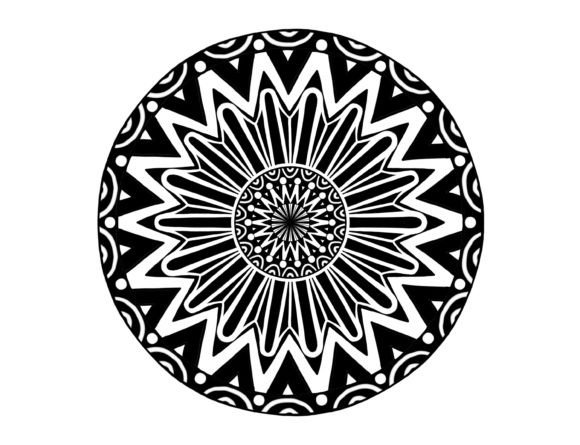
One of the most notable features of the African Mandala Pattern is its use of repetition and symmetry. The design typically revolves around a central point, with layers of geometric shapes radiating outward. This structure creates a sense of balance and harmony, which is essential for both aesthetic and symbolic purposes.
Another defining trait is the incorporation of cultural motifs. These can include abstract representations of animals, human figures, or natural elements like rivers and trees. Such details add depth and narrative to the design, making it more than just a visual pattern. The black-and-white color scheme further enhances the contrast, allowing the intricate details to stand out clearly.
The isolated nature of the pattern on a white background ensures that it remains adaptable for various uses. This makes it ideal for coloring books, where users can add their own colors and interpretations. It also works well as a base for henna art, where precision and clarity are crucial.
Practical Applications and Use Cases
The African Mandala Pattern is highly versatile, suitable for a wide range of creative and commercial applications. In the realm of coloring books, it provides an engaging and culturally rich experience for users. Its detailed structure encourages focus and mindfulness, aligning with the therapeutic benefits often associated with mandala coloring.
In the field of henna art, the pattern’s geometric precision allows for accurate application. Artists can use it as a template to create intricate designs that reflect both traditional and contemporary styles. Similarly, in decorative elements such as wall art, textiles, or digital graphics, the pattern adds a unique touch that sets it apart from more generic mandala designs.
For educators and content creators, the African Mandala Pattern offers an opportunity to introduce cultural awareness through visual learning. It can be used in lessons about African art, geometry, or symbolism, providing a tangible way to explore these concepts.
Quality and Technical Specifications
The quality of the African Mandala Pattern is essential for its usability in professional settings. High-resolution file formats such as JPG (4000 x 4000 pixels, 300dpi) ensure that the design remains sharp and clear when printed or scaled. This level of detail is particularly important for applications like henna stencils or large-format prints, where clarity is critical.
The PNG format with a transparent background adds another layer of flexibility. It allows the pattern to be seamlessly integrated into different design projects without the need for additional editing. This feature is especially useful for digital artists and graphic designers who require precise placement and layering.
Consistency in design is another key factor. The African Mandala Pattern maintains its structure and proportions across different sizes and formats, ensuring reliable performance in various contexts. This reliability makes it a dependable choice for those who need consistent results in their work.
Who Benefits Most from the African Mandala Pattern
The African Mandala Pattern is particularly beneficial for professionals in the creative industries. Artists, illustrators, and designers looking to expand their repertoire will find value in its cultural depth and aesthetic appeal. For entrepreneurs and small business owners, it offers a unique product that can differentiate their offerings in competitive markets.
Marketers and publishers may also find it useful as a visual asset for campaigns or publications focused on culture, art, or mindfulness. Educators and curriculum developers can incorporate it into lessons that explore global art traditions or mathematical concepts like symmetry and geometry.
Hobbyists and serious enthusiasts who enjoy coloring, crafting, or exploring cultural symbols will appreciate the pattern’s complexity and richness. Its adaptability ensures that it can be enjoyed in multiple ways, from personal projects to collaborative creative efforts.
Considerations and Limitations
While the African Mandala Pattern offers many advantages, it is important to consider its limitations. The design’s complexity may require more time and skill to interpret or recreate, especially for beginners. Users should also be mindful of the cultural significance behind the patterns, ensuring that they are used respectfully and appropriately.
Additionally, the black-and-white format may not suit all design needs. Those looking for vibrant or multi-colored versions may need to modify the original design or seek alternative resources. However, the simplicity of the monochrome version also allows for greater customization, making it a flexible option for many users.
Final Thoughts on the African Mandala Pattern
The African Mandala Pattern stands out as a compelling blend of tradition and modern design. Its intricate details, cultural significance, and practical applications make it a valuable resource for a wide range of users. Whether used in coloring books, henna art, or decorative elements, it offers a unique and meaningful way to engage with visual creativity.
For those seeking to add depth, authenticity, and visual interest to their projects, the African Mandala Pattern is a strong choice. Its high-quality technical specifications, adaptability, and cultural relevance ensure that it remains relevant and effective across different contexts and audiences.